Licensed landscape architecture firms and long-established designers often lead the planning conversation. DCM Outdoor provides landscape design and installation — buildable concepts, plant and material selection, and construction under one outdoor living project — not landscape architecture services unless a licensed landscape architect is separately engaged for that work.
Depending on the project, DCM evaluates sun exposure, drainage, existing trees, access and applicable HOA requirements. Specialized surveys, engineering, arborist services or landscape-architecture services may be coordinated when required.
What you receive
Landscape Design Package Deliverables
A clear package matters as much as pretty plant photos. The $750–$1,000 design fee (credited toward installation when you build with DCM Outdoor) typically covers:
Site measurements and condition review — access, sun/shade, grade, existing planting and trees
Priorities and budget meeting — how you use the yard and what must happen first
Conceptual layout — beds, lawn, circulation, and outdoor living adjacency
Plant and material palette — species and hardscape materials suited to the site
2D plan or rendered concept — a buildable visual of the direction
One revision — adjustments after your review
Installation proposal — line-item path to build with DCM Outdoor
Phasing options — when the full yard should be staged
A downloadable sample plan will be linked here once a client-approved sample is cleared for public use. Until then, the consultation walks through example layouts from recent outdoor living work.
Project photography
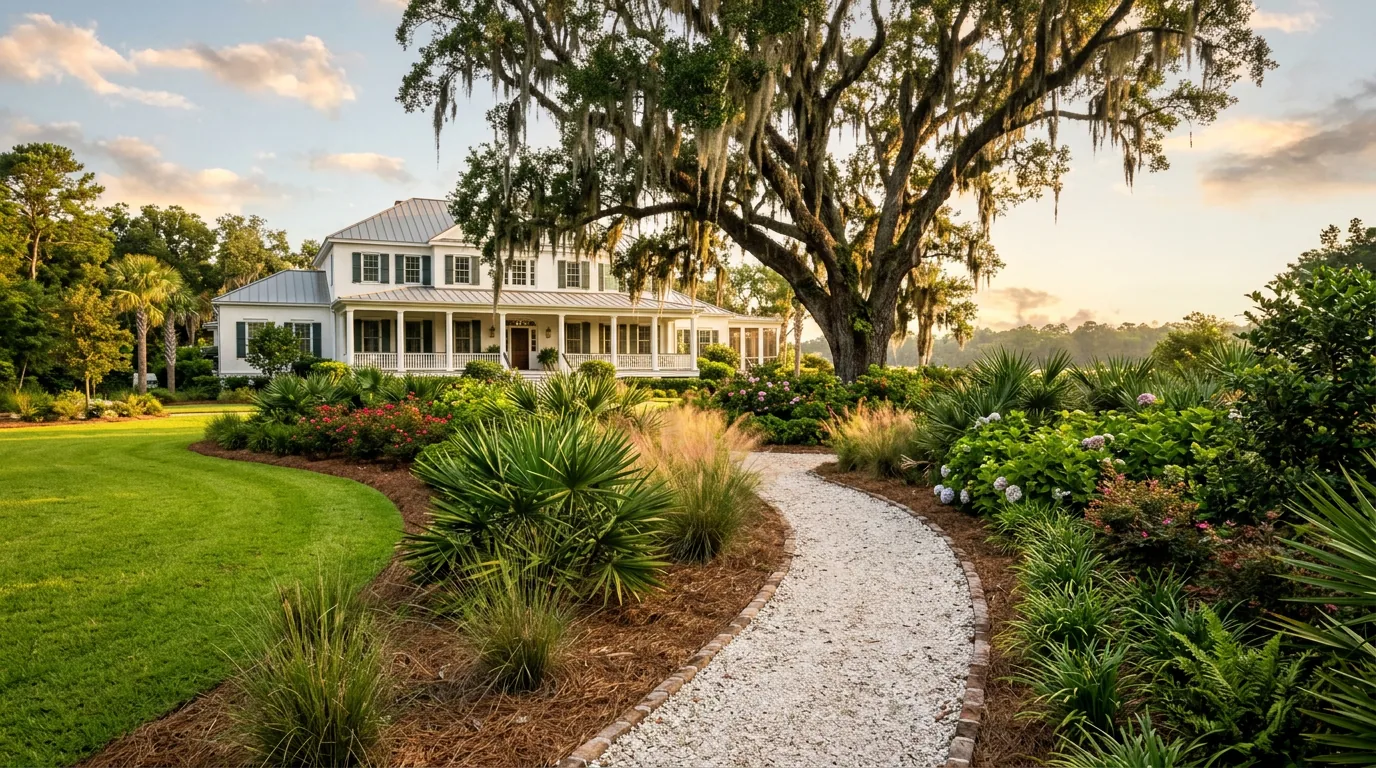
Charleston Landscape & Outdoor Living Gallery
Planting and finished outdoor rooms. We are expanding with before / concept / completed sets for dedicated landscape case studies.
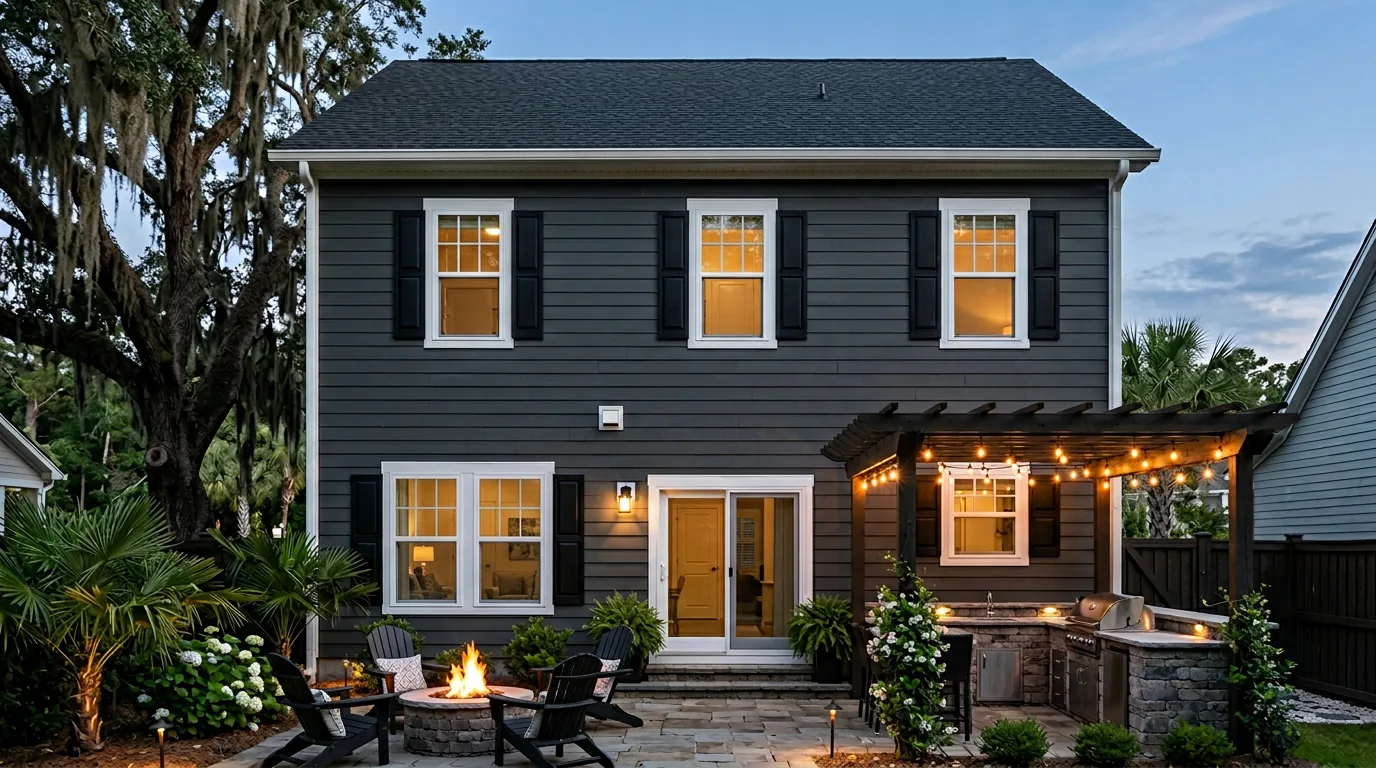
Planting and bed structure for a Charleston residential yard.Landscape coordinated with hardscape edges.Bed and lawn transitions designed for use and maintenance.Landscape finish as part of a full outdoor living build.Entry and side-yard planting for curb appeal and flow.Completed outdoor living landscape ready to use.
Process
From Site Visit to Installed Landscape
01
Site visit & goals
Walk the property, discuss use, budget, and outdoor living scopes that may share the same plan.
02
Design package
Concept, palette, plan or render, and one revision — see deliverables above.
03
Install proposal
One proposal covering landscape and related outdoor living construction when bundled.
04
Installation
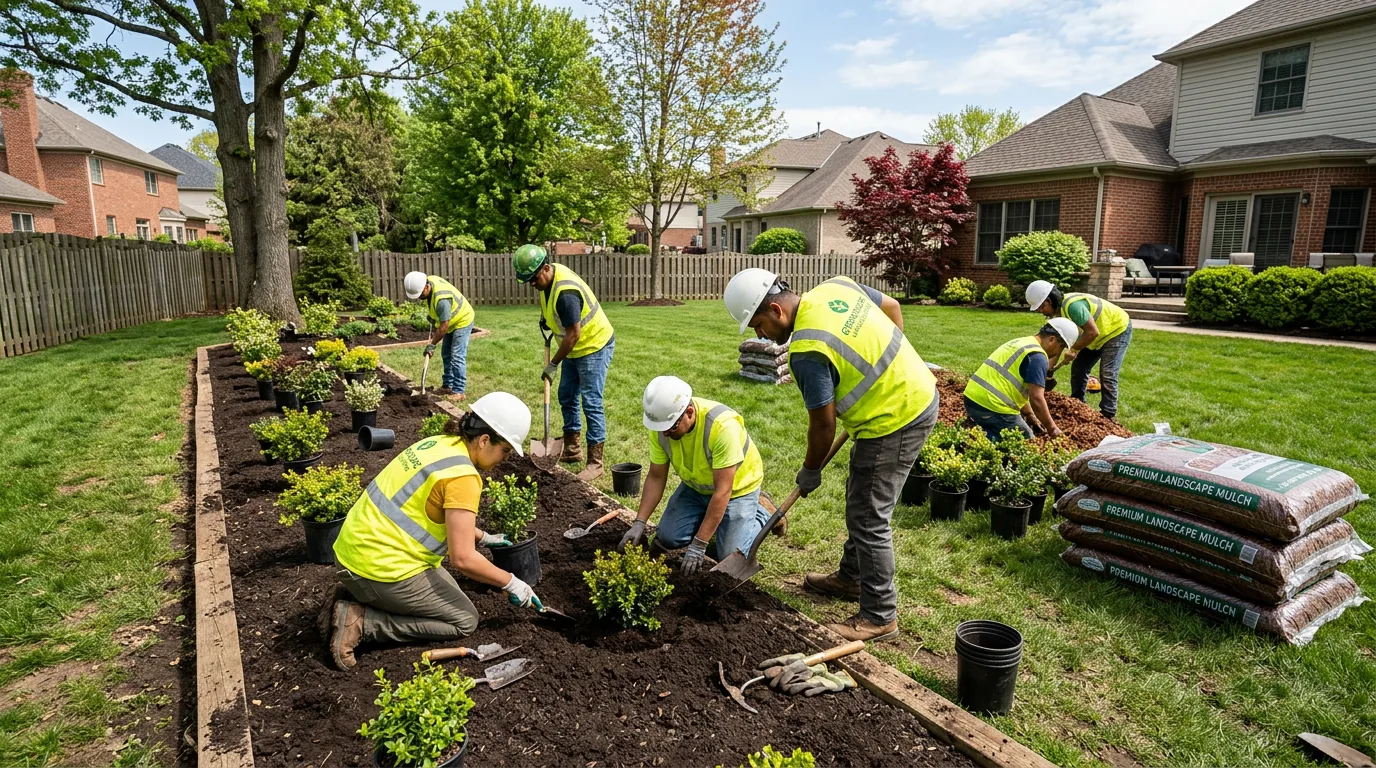
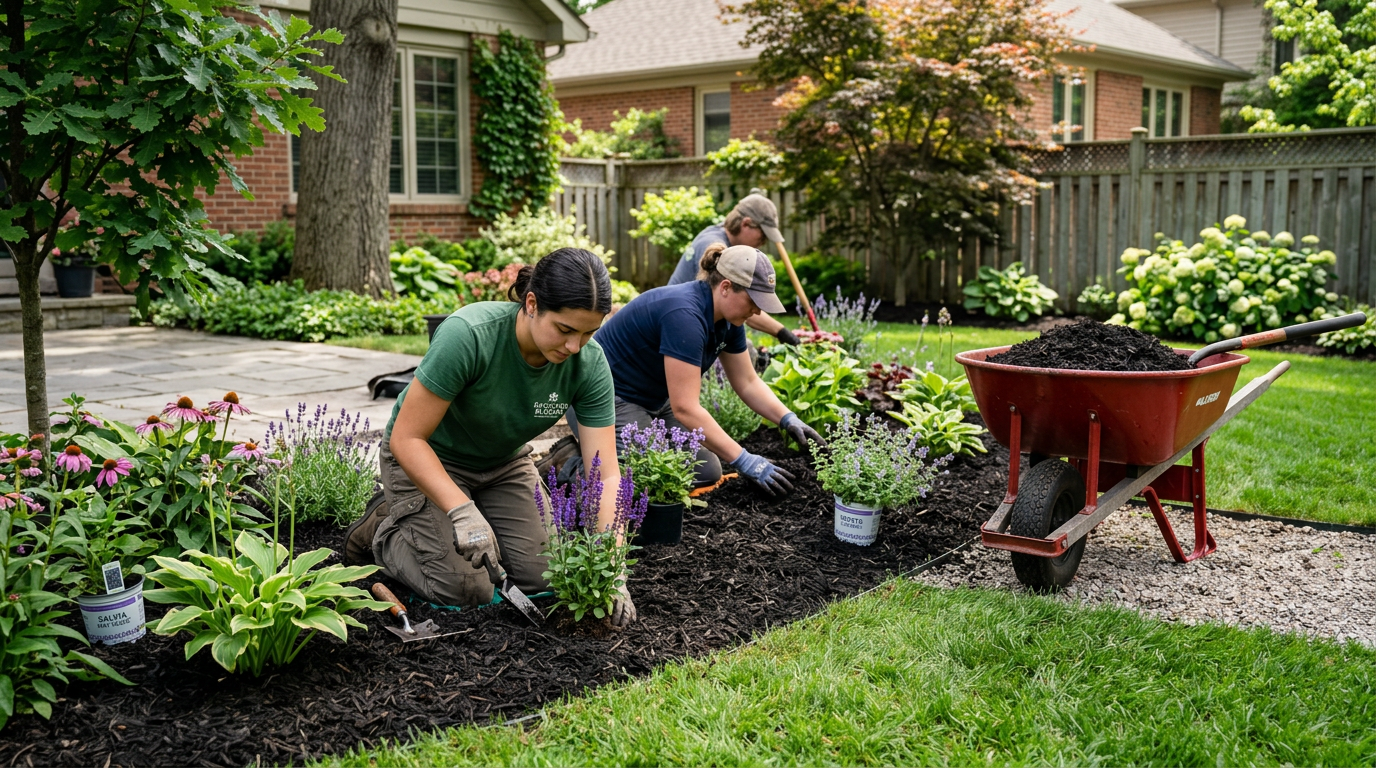
Planting, soil prep, and hardscape coordination under one project manager — phased if needed.
Planting
Plant Selection for Lowcountry Conditions
We favor native and adapted species that handle heat, humidity, and coastal influence with realistic maintenance — not generic Southeast plant lists that ignore your sun, shade, and soil.
Examples often considered include muhly grass, American beautyberry, native azaleas, Carolina jessamine, and Sabal palmetto — always matched to the bed’s light and drainage. We avoid recommending invasive or poorly suited plants such as Bradford pear (restricted/banned as invasive in South Carolina) without a site-specific reason. Turf and groundcover choices depend on shade and soil; see best grass for Charleston yards and native plants for coastal SC.
Drainage-conscious design
Drainage Evaluated Before Planting
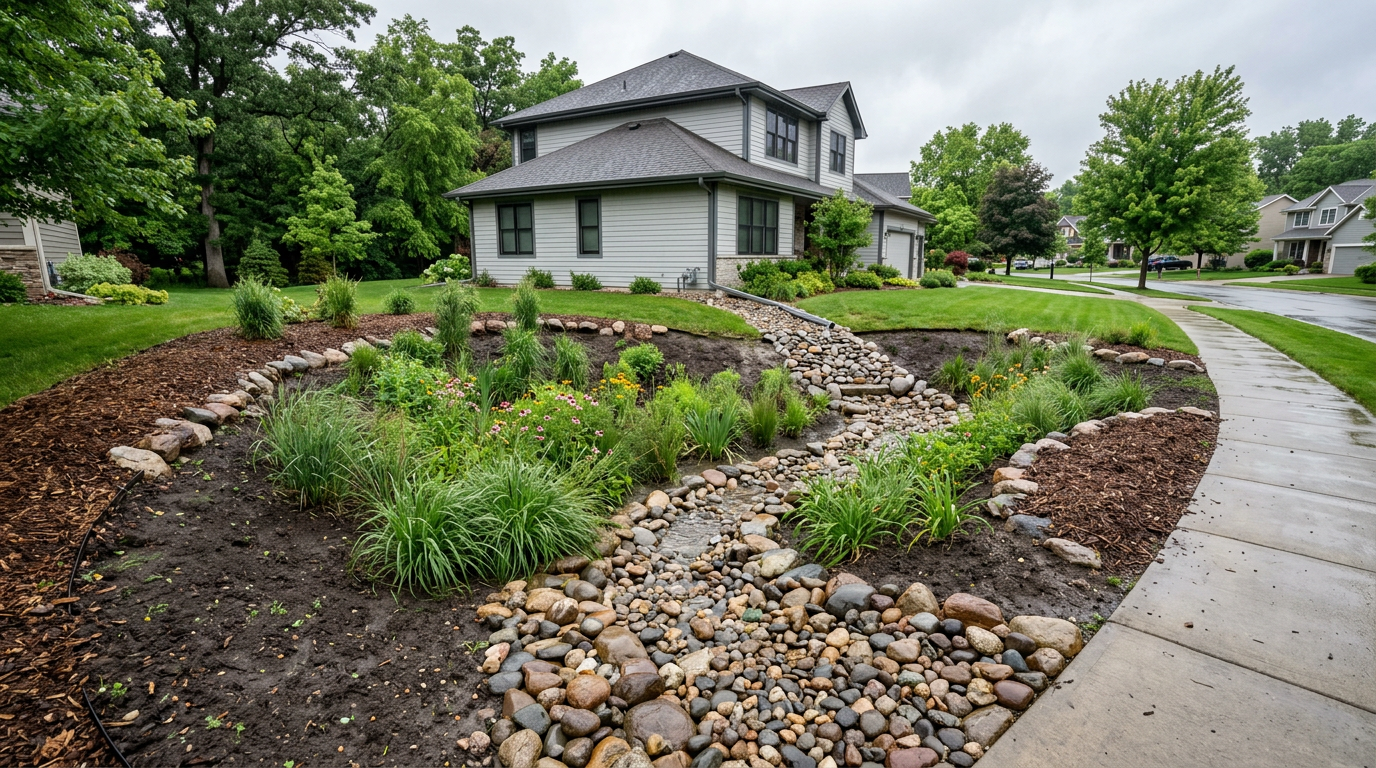
Standing water after storms is often a grading or drainage issue first. Depending on the project, DCM reviews how water moves across the lot and may recommend grading adjustments, channels, rain gardens, or a coordinated yard drainage scope before investing in a full planting plan.
Floodplain or impervious-surface constraints are reviewed when they apply to the property — not as a blanket process on every residential lot. Specialized engineering or floodplain review may be coordinated when required.
Landscape + hardscape
Coordinated With Pavers and Outdoor Structures
Landscape design works best when bed edges, lawn, and planting align with paver patios, retaining walls, pergolas, and lighting from the start — one proposal when you want landscape and outdoor living construction together.
Who you meet
Owner-Led Design Consultation
Donovan McDaniel
Owner and Project Lead, DCM Outdoor
Donovan leads landscape design consultations and oversees installation sequencing so planting, drainage, and hardscape stay on one buildable plan. When a licensed landscape architect, arborist, or irrigation contractor is needed, DCM coordinates that professional for the scope that requires it.
Design fee: $750–$1,000 for full landscape design plans, credited toward installation when you proceed with DCM Outdoor for the build. Installation cost varies by planting density, hardscape adjacency, drainage work, and phasing — detailed after the design package is complete.
Project proof
Case Studies Coming as Assets Are Confirmed
Next landscape-design authority assets: three complete case studies with before, design concept, and completed installation images; named project area; detailed scope; a real customer review; and one downloadable sample design when client permission allows.
Read verified feedback on our reviews page. Map Pack leaders win with years of Google reviews attached to a verified Business Profile — DCM is building that same evidence with real installs, not invented quotes on this page.
Frequently asked questions
Landscape Design Questions — Charleston
What does landscape design cost in Charleston?
DCM Outdoor charges a design fee of $750–$1,000 for full landscape design plans, credited toward installation when you proceed with DCM Outdoor for the build. Installation cost varies by scope and is quoted after the design plan is complete.
Why start with drainage before plant selection?
Plants installed where water ponds or soils stay saturated often struggle regardless of species. DCM Outdoor evaluates drainage and grade during site review so planting and hardscape decisions rest on a workable site plan.
Does DCM Outdoor provide landscape architecture?
DCM Outdoor provides landscape design and installation. When a licensed landscape architect, arborist, surveyor, or engineer is required, DCM coordinates those professionals rather than presenting DCM as a landscape architecture firm.
Does my HOA need to approve my landscape plan?
HOA and ARB rules vary by community. Planting in existing beds may not need review, while new beds, grading, front-yard changes, or new trees often do. DCM reviews the requirements that apply to your project and prepares submission materials when needed.
Can you design around mature live oaks?
Yes. When significant live oaks are on the property, DCM evaluates canopy and root constraints and designs planting and hardscape to work with the trees. Arborist review may be coordinated when conditions require it. More detail: live oak root protection.
Ready for a landscape plan you can actually build?
Start with a design consultation — we will walk the site, clarify deliverables, and outline how the $750–$1,000 design fee credits toward installation if you build with DCM Outdoor.